
Frequently Asked Questions About Laparoscopy
Laparoscopy (keyhole surgery) is the standard procedure for bariatric operations. Here we answer the most common questions.
What is Laparoscopy?
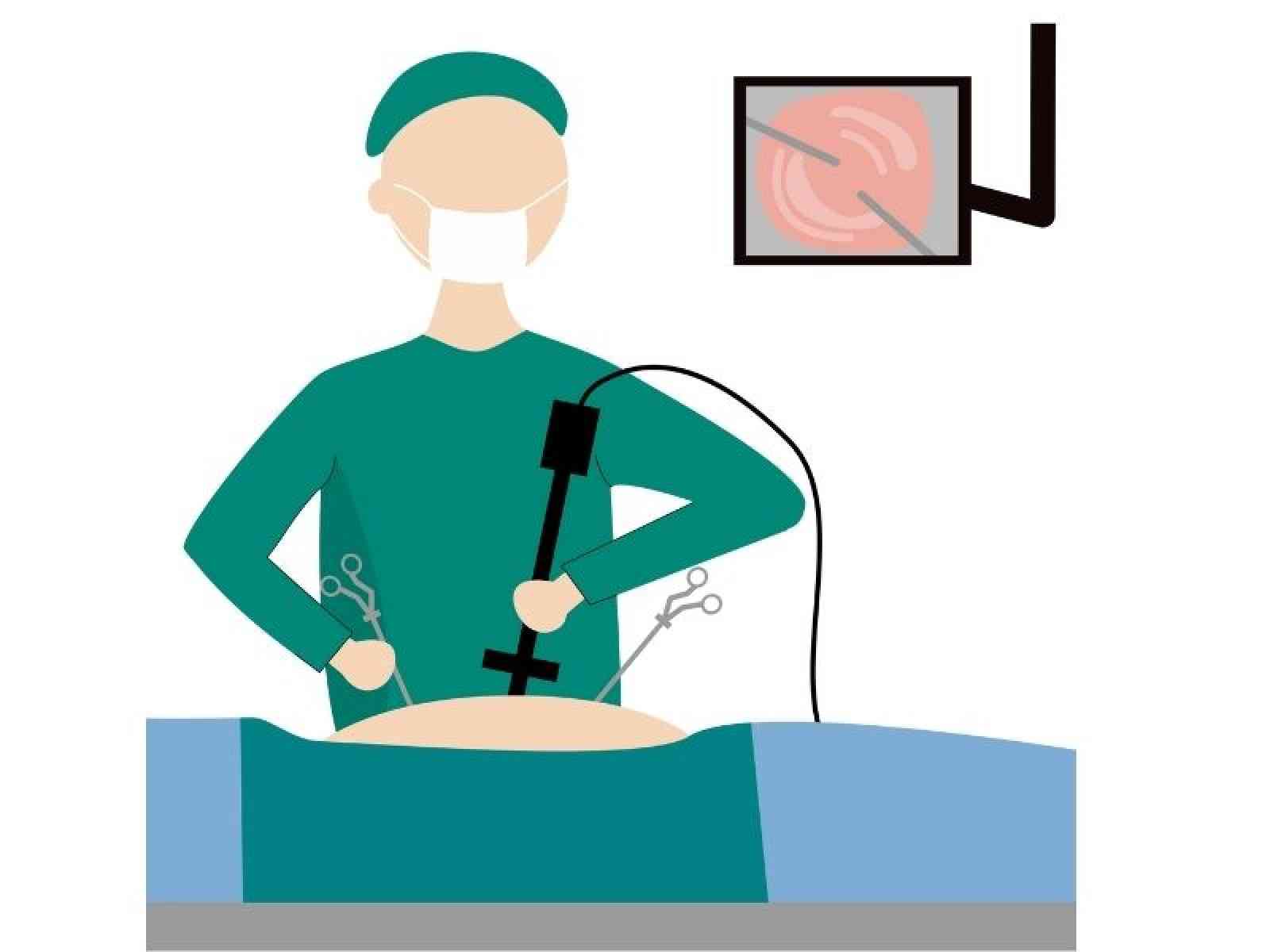
In laparoscopy, small incisions (5–12 mm) are made in the abdomen. Through these incisions, the surgeon guides a camera (laparoscope) and specialized instruments. The procedure is performed under CO2 insufflation (the abdomen is inflated with gas).
Advantages Over Open Surgery
- Significantly smaller scars
- Less pain after surgery
- Shorter hospital stay (2–3 instead of 5–7 days)
- Faster recovery and return to daily activities
- Lower infection risk
- Less blood loss
Which Operations are Performed Laparoscopically?
- Sleeve gastrectomy (Sleeve Gastrectomie)
- Gastric bypass (Roux-en-Y)
- Gallbladder removal
- Reflux surgery
- Revision surgery
Is Laparoscopy Safe?
In experienced hands, laparoscopy is very safe. Dr. Türker Karabuğa has performed over 15,000 laparoscopic procedures and holds 7 patents for improving surgical safety.
When is Open Surgery Necessary?
In rare cases (severe adhesions, complications), conversion to open surgery may be necessary.
Related Pages: