
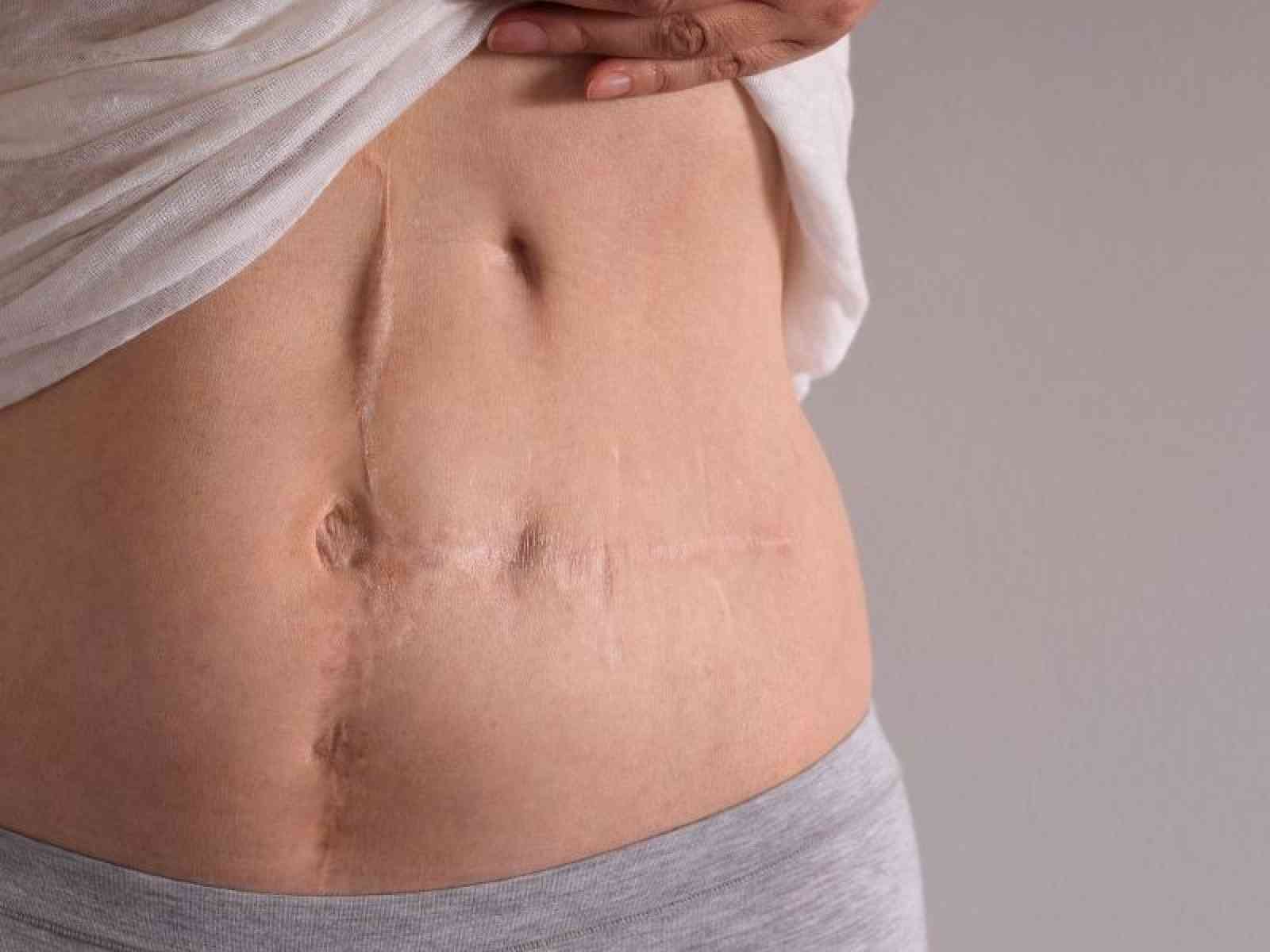
Gallbladder Disease and Obesity
Obesity is one of the most important risk factors for gallstones and gallbladder disease. People with obesity have a 3-7 times increased risk of gallstones.
Why Does Obesity Increase the Risk?
- Overweight people produce more cholesterol in the liver
- The gallbladder empties more slowly (impaired motility)
- High triglyceride content in bile promotes stone formation
Gallstones After Bariatric Surgery
Rapid weight loss after sleeve gastrectomy or gastric bypass increases the short-term risk of gallstones. Therefore, ursodeoxycholic acid (UDCA) is often prescribed prophylactically for 6 months after surgery.
Symptoms of Gallbladder Inflammation
- Severe pain in the right upper abdomen (especially after fatty food)
- Nausea and vomiting
- Fever (with inflammation)
- Yellowing of skin (with bile duct blockade)
Treatment
For symptomatic gallstones, laparoscopic gallbladder removal (cholecystectomy) is the standard treatment. Dr. Türker Karabuğa routinely performs this procedure laparoscopically.
Related Pages: