
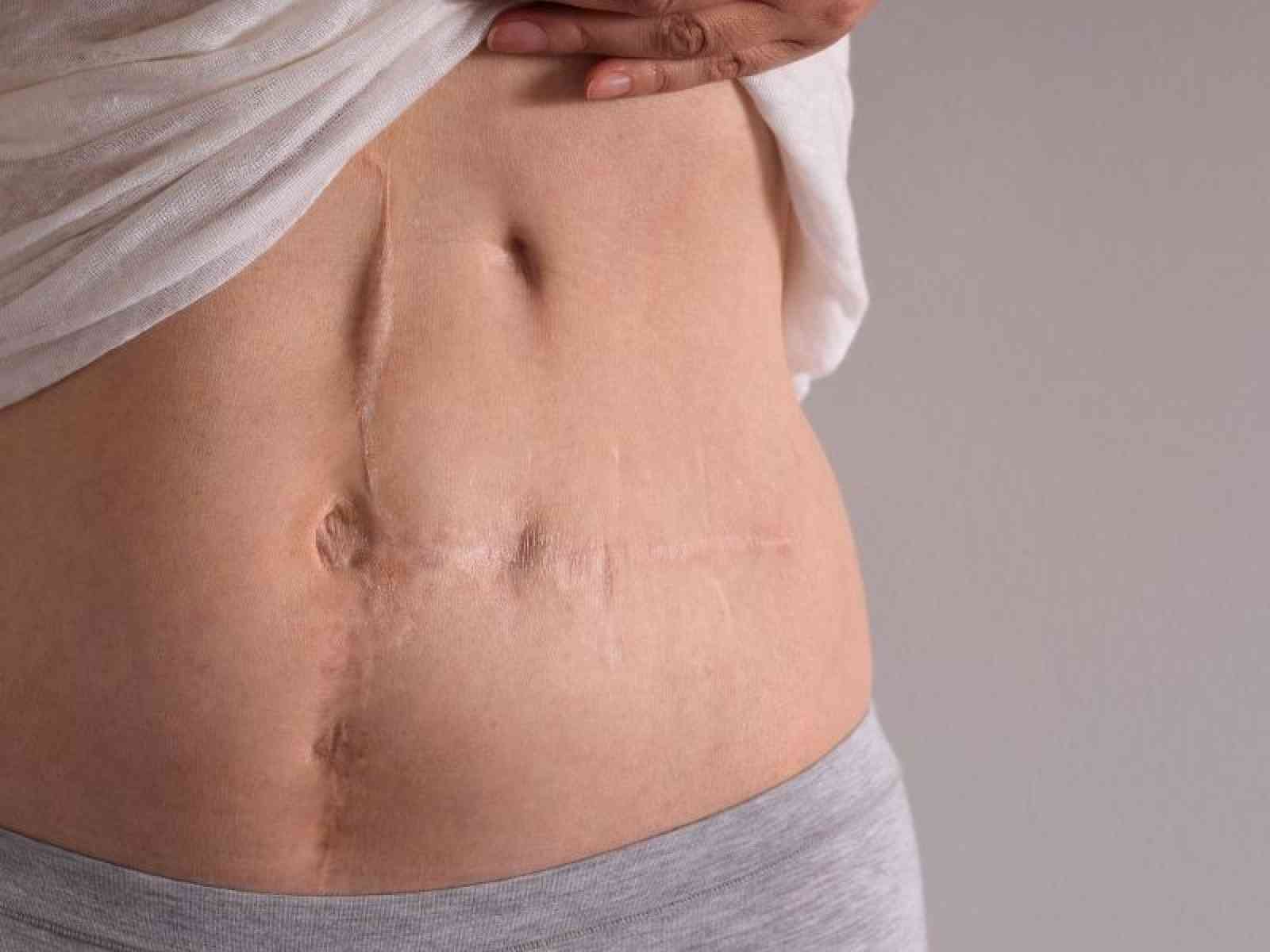
What is Gastric Bypass?
The gastric bypass (Roux-en-Y) is one of the most effective methods for surgical weight reduction. In this procedure, the stomach is shaped into a small pouch of approximately 30 ml and part of the small intestine is redirected.
How Does Gastric Bypass Work?
The small stomach pouch is connected directly to the middle of the small intestine. This reduces the amount of food consumed and a portion of nutrients is no longer completely absorbed. Additionally, the procedure changes hormonal signals that regulate hunger and satiety.
Benefits of Gastric Bypass
- Average weight loss of 60–80% of excess weight
- Very high remission rate for type 2 diabetes (up to 80%)
- Effective for severe reflux disease
- Improvement in blood pressure and sleep apnea
- Long-term results
Who is Eligible?
- Patients with BMI ≥ 35 with comorbidities
- Patients with type 2 diabetes and obesity
- Patients with severe reflux disease
- Patients after failed sleeve gastrectomy surgery
Procedure
The procedure is performed laparoscopically under general anesthesia and takes approximately 2–3 hours. Hospital stay is 3–4 days. Recovery time is approximately 2–4 weeks.
Related Pages: