
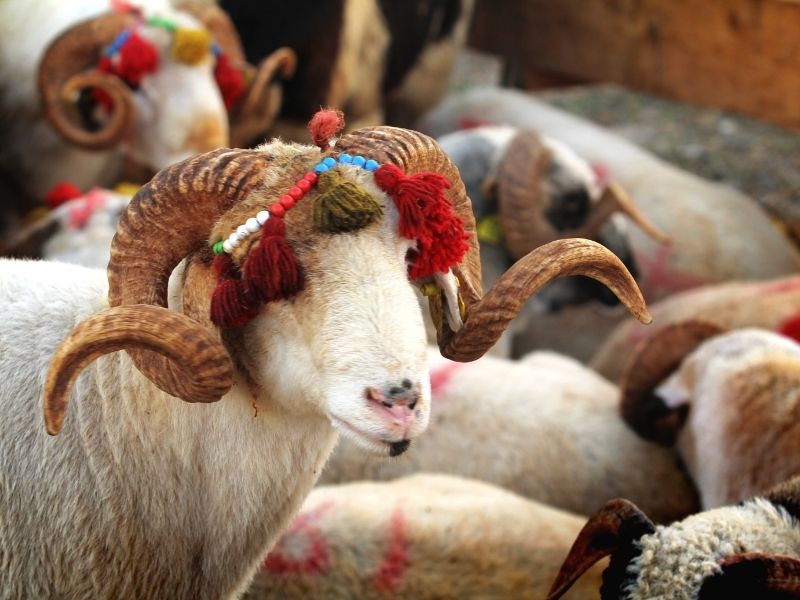
During Eid al-Adha, when meat consumption increases significantly, sleeve gastrectomy patients should be particularly careful.
Pay Attention to the Pace and Timing of Meat Consumption!
Patients who are still in the early phase after surgery should prefer meat products in softer forms such as ground meat. Since digestion slows down over the course of the day, meat should preferably be consumed at lunch.
Do Not Consume Fresh Meat!
The meat should not be consumed immediately after slaughter, but should be stored in the refrigerator for at least 24 hours. Freshly slaughtered meat is in a state called rigor mortis and is much more difficult to digest.
Pay Attention to the Cooking Method!
For sleeve gastrectomy patients, medium, moist and soft cooking is healthiest.
✅ Recommended Cooking Methods:
- Boiling
- Grilling
- Steaming
❌ Not Recommended:
- Frying
- Long cooking at high temperature
- Direct contact with open flame
Important Points About Meat Consumption During Eid al-Adha
Dr. Türker Karabuğa emphasizes several important points that sleeve gastrectomy patients should pay attention to when consuming meat during Eid al-Adha. Although red meat is a valuable source of protein, sleeve gastrectomy patients require careful portion control.
Daily meat consumption should be limited to 100-150 grams. When choosing meat, thin pieces (cubed, ground) should be preferred over thick pieces. Fatty parts (ribeye, ribs) should be removed as much as possible and lean cuts should be selected. The nutrition consultants working with Dr. Türker Karabuğa in Izmir prepare detailed nutrition plans for patients before Eid al-Adha. The amount of meat consumption varies depending on how much time has passed since the patient’s surgery; less meat can be consumed in the early period, and more can be consumed in later periods.
Sweets and Desserts at the Festival
The most difficult part during the festival may be refusing desserts and sweets offered by family. Dr. Türker Karabuğa strongly advises sleeve gastrectomy patients to avoid high-calorie foods like baklava, Turkish delight, and chocolate.
If you have a sweet tooth, you should take very small amounts (1-2 pieces), not after a meal but between meals. A better choice would be homemade, sugar-free desserts or fruits. Instead of baklava, prefer sugar-free bananas or apricots, and instead of Turkish delight, prefer dairy products (yogurt). Some pastry shops in Izmir offer special products for diabetic and obesity surgery patients. Dr. Türker Karabuğa recommends these alternative options to patients before the festival begins.
Dealing with Social Pressure During Festival Visits
Eid al-Adha is a time when family visits are frequent. During these house-to-house visits, family members may pressure sleeve gastrectomy patients with comments like “just one bite won’t hurt” or “eat more, you’ve eaten very little.” Dr. Türker Karabuğa teaches patients strategies to deal with this situation.
An effective approach is to inform family members before visits. Explaining that the patient has had surgery, that a certain amount of food is necessary for health, and that overeating will cause pain and discomfort creates a supportive environment. During visits, taking small portions, eating slowly, talking, and participating in other activities distracts from eating. Our patients in Izmir can use the “polite refusal” methods suggested by Dr. Türker Karabuğa to protect themselves from social pressure. If necessary, saying “My doctor has strictly prohibited it” can create understanding in the family.
Fluid Intake and Protein Balance During the Festival
The most important thing sleeve gastrectomy patients should not forget during Eid al-Adha is adequate water consumption. At least 2-2.5 liters of water should be consumed daily, and this amount should be increased, especially on hot festival days. However, water should not be consumed with meals, but between meals. Drinking water during meals can cause digestive problems.
Protein intake is also very important. When meat consumption is reduced, other protein sources (cheese, yogurt, chicken, fish) should be preferred. According to Dr. Türker Karabuğa’s recommendation, aim for 70-100 grams of protein daily, and do not neglect vitamin supplementation. Continuing routine vitamin and mineral supplements throughout the festival is the key to maintaining health.
Tips from Dr. Türker Karabuğa for Proper Meat Consumption
Dr. Türker Karabuğa, a sleeve gastrectomy surgery specialist in Izmir, emphasizes that his sleeve gastrectomy patients most often face problems with excessive meat consumption during Eid al-Adha. Since stomach capacity is reduced to 100-150 ml after sleeve gastrectomy surgery, large portions can cause serious discomfort. When consuming meat, follow these rules: Cut meat into small pieces and chew; chew each bite at least 20-30 times. Eating speed should be slow, and a meal should take at least 20-30 minutes.
Avoid fatty parts of sacrificial meat. Ground meat, rump, and round steak should be preferred over thick cuts; tail fat, organ fat, and skin should definitely not be consumed. Dr. Türker Karabuğa recommends to his patients that cooked meat be eaten on the first day of the festival, and that freshly cut meat be consumed after resting it for 1-2 days.
Portion Control: Plate Design at the Festival
The portion control method taught at Dr. Türker Karabuğa’s clinic in Izmir becomes especially important at festivals. Fill half of your plate with protein (meat, chicken, fish), a quarter with vegetables, and the remaining quarter with complex carbohydrates. Total portion should be about the size of an adult fist; this means about 150-200 grams of food.
When multiple dishes are served at the festival table, prioritize the most protein-rich option instead of trying everything. Set aside very little space for appetizers and small dishes; focus the main meal on protein. Wait at least 3-4 hours between meals and continue fluid consumption during this time.
Frequently Asked Questions
Can you eat festival meat after sleeve gastrectomy? Yes, but in controlled amounts (100–150 g/day), well-cooked and in small pieces. Avoid eating freshly slaughtered meat immediately.
Can you eat baklava at Eid al-Adha? Not recommended. The high sugar content can trigger dumping syndrome. In very small amounts (1–2 small pieces) between meals, it may be tolerated. Natural sweets like fruit are the better choice.
How do you prevent overeating during festival visits? Eat something small beforehand so you don’t go to visits hungry. Take small portions, eat slowly, and drink water frequently. If you tell your family about your surgery beforehand, it reduces social pressure.
How long should festival meat be stored? Store in the refrigerator for at least 24 hours and consume only after rigor mortis has passed. This makes digestion easier and increases nutritional value.
Related Pages: